Why Enterprise Tools Go Unused – and How GRAVITY Revives Adoption
Reduce unused licenses, revive forgotten SaaS features, and stop Shadow IT with GRAVITY’s in-app guidance and analytics platform.

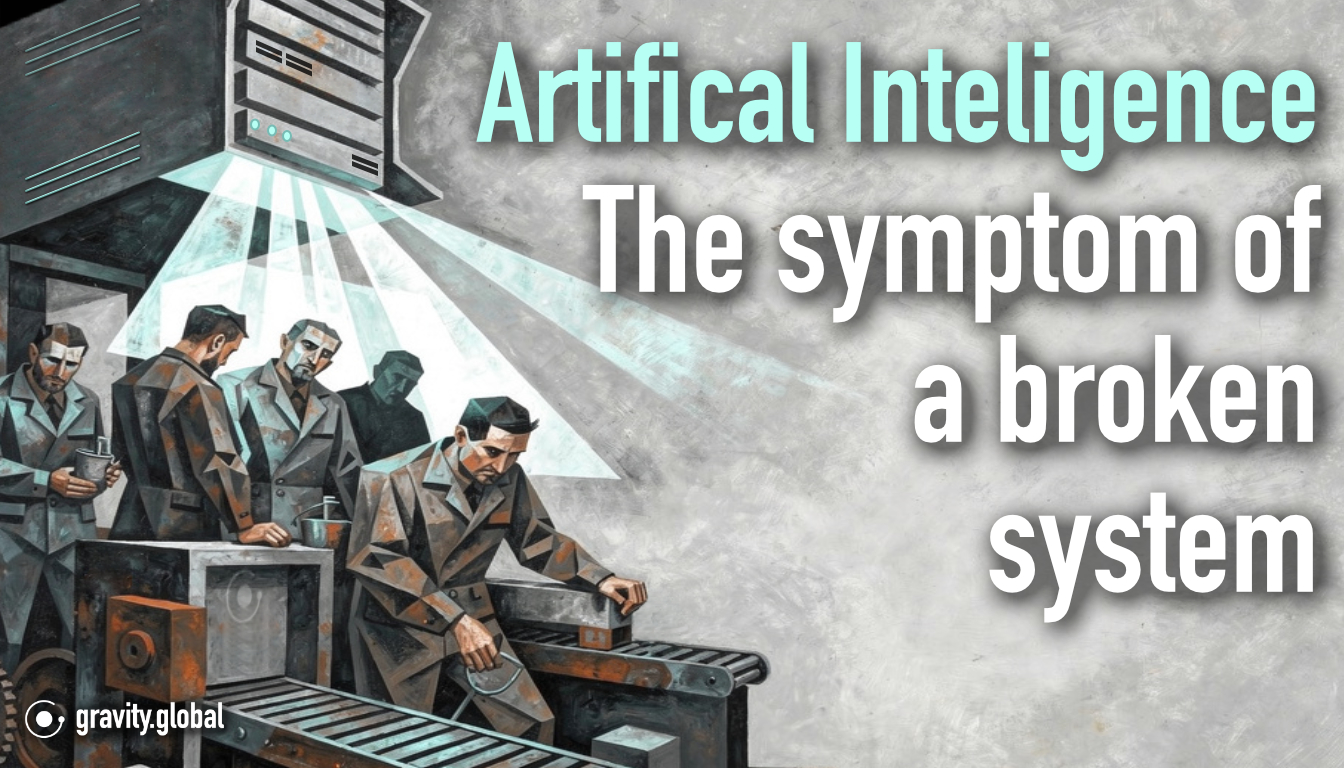
Illustration: Composition by Gravity Global AG
Every enterprise software project starts with optimism: new tools, approved budgets, and the promise of smarter workflows. But months later, teams still rely on spreadsheets; paid features go unused, seats sit idle, and support teams answer the same questions repeatedly. The software is live, but the expected value never fully arrives. This is the hidden cost of software waste.
As we explored in Why IT Rollouts Fail – and How GRAVITY Prevents It, projects rarely fail because of poor technology. More often, they fail because adoption was treated as an afterthought. Unused software is usually not a purchasing problem, it is an adoption problem. That is where GRAVITY, the digital adoption platform (DAP), changes the equation.
Zombie Licenses: The SaaS Seats That Cost but Do Not Contribute
Most organizations have them: licenses that are still active, renewed, and budgeted for, but barely used. A CRM seat opened once a month, a premium analytics tool used only for basic reports, or a collaboration platform full of features no one ever learned to use. These are zombie licenses: commercially alive, functionally dormant.
The real cost is not only the license fee. It is the manual work that continues despite paying for tools designed to remove it. Teams still export data, rebuild reports, chase approvals, and recreate workflows already available in the system. As described in Higher ROI, Lower Friction: The GRAVITY Effect on Enterprise Projects, ROI disappears in the gap between implementation and confident usage. Zombie licenses live in that gap.
Why Employees Ignore Features They Already Own
Most features are not ignored because they lack value, but because they feel hard to access. Employees focus on deadlines, not menus or documentation. When a feature requires training, searching, or support, users often choose the faster path they already know. Across hundreds of employees, that small choice becomes a structural productivity problem: companies pay for enterprise-grade systems while teams continue working with familiar, inefficient habits.
GRAVITY Analytics: Find Waste Before Renewal Season
Many companies only question software value when renewal invoices arrive, when decisions are already reactive and usage data is unclear. GRAVITY changes this with analytics that show how systems are actually used: where users drop off, which features remain untouched, and where confusion occurs. An underused license may not need cancellation; it may need better onboarding. A forgotten feature may not be unnecessary; it may simply be undiscovered. Reviving employee adoption creates daily value.
Reviving Forgotten Features with In-App Guidance
GRAVITY does not rely on another training session or static manual. Instead, it brings learning directly into the tools employees already use, guiding them in the moment of work.
When a workflow can be automated, a Callout highlights the feature. When reports open, a walkthrough explains the next steps. When processes change, smart tips support users in real time. What was hidden becomes visible, what was ignored becomes useful, and what was waste becomes ROI.
Shadow IT vs. Smart Adoption
When official systems feel difficult, employees often look elsewhere. Spreadsheets replace reporting tools, consumer apps replace enterprise platforms, and informal side processes replace approved workflows. This is Shadow IT.
But Shadow IT is not only a governance issue; it is a usability signal. Employees bypass enterprise software when the approved tool feels harder to use than the unofficial one. As noted in The True Cost of Employee Training, friction creates hidden costs through lost time, duplicated work, inconsistent processes, and rising support demand. Shadow IT is friction made visible.
Bringing Employees Back to Approved Systems
The solution is rarely another policy email. The better approach is to make approved systems easier than the alternatives. GRAVITY does this with in-app guidance, contextual onboarding, and interactive walkthroughs embedded directly into enterprise platforms.
Instead of exporting data into spreadsheets, users learn how to run the right report. Instead of managing approvals manually, they are guided through the native workflow. Instead of asking colleagues for help, answers appear inside the application. When enterprise software becomes the easiest option, adoption returns naturally.
The Real ROI Conversation
Software ROI should not be measured only through negotiated license discounts.
It should be measured by:
- feature usage
- time to productivity
- lower support demand
- fewer workarounds
- faster workflows
- stronger employee confidence
This is where GRAVITY creates measurable impact through faster employee onboarding, higher employee productivity, lower support effort, better employee experience, and stronger return on investment. Because value does not come from owning software; it comes from using it well.

Embrace the digital adoption platform of tomorrow - GRAVITY
The Digital Adoption Updates You Can't Miss - Subscribe Now!
Join Our Monthly Author Call – Stay Ahead of the Curve with the Latest Trends!
From Shelfware to Strategic Advantage
Every enterprise already owns tools with untapped potential: hidden features, forgotten modules, underused workflows, and licenses waiting to justify themselves. The question is not whether waste exists, but whether you turn it into opportunity before the next renewal cycle.
With GRAVITY, software stops being something employees tolerate and becomes something they use confidently. Zombie licenses come back to life, Shadow IT loses its appeal, and digital transformation finally pays off.

Ramona Lescesen
After completing my Masters in the UK, I had the opportunity to start my career in London's vibrant start-up scene. In my career, I have had the privilege of seeing how a start-up can grow into a global market leader. This has taught me the importance of good communication and how best to manage a company's most important relationships - its customers.
Latest articles
Browse all posts