The Exhaustion of the Rot Economy: AI as a Symptom, Not a Solution
AI exposes the Rot Economy: short-term gains, exploited workers, and ignored problems. Demand better and prioritize humans over hype.
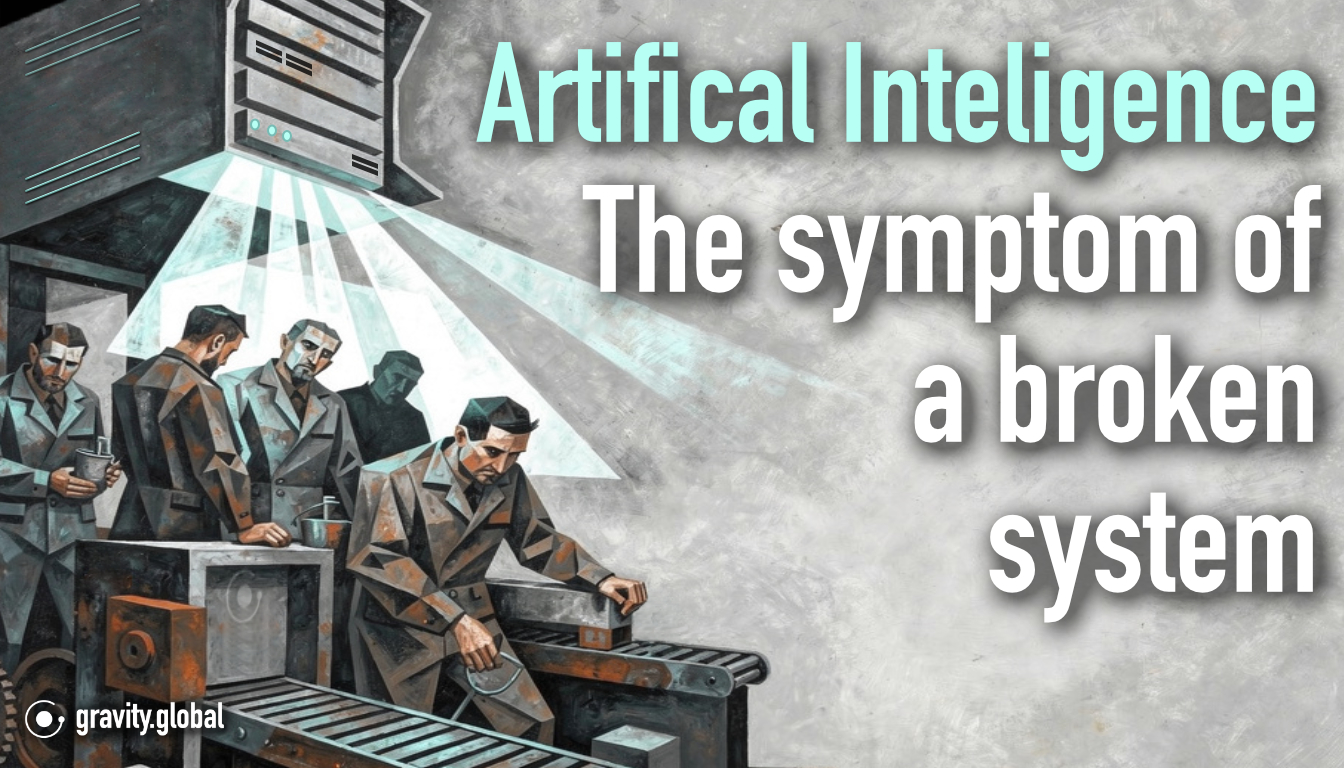
In an age that treats technology as the answer to everything, Evan Zitron’s The AI Haters Manifesto offers a refreshing counterpoint. His critique cuts to the heart of modern tech culture, framing artificial intelligence (AI) not as a revolutionary force for good, but as a symptom of a deeper systemic rot. He calls it the Rot Economy: a world where short-term gains eclipse long-term value, where workers are exploited, and where real problems are sidelined in favor of empty promises.
Zitron’s argument is provocative: What if AI isn’t the solution, but a distraction? A shiny object that keeps us fixated on a future that may never arrive, while the present crumbles under the weight of its own contradictions.
The Rot Economy: A System Built on Exploitation
At its core, the Rot Economy thrives on three pillars:
Short-Term Growth Over Long-Term Value: The tech industry’s obsession with rapid scaling and quarterly returns has led to a culture where sustainability is an afterthought. Companies prioritize user acquisition over product reliability, and innovation is measured in hype cycles rather than tangible impact.
Worker Exploitation: Behind every AI breakthrough lies an army of underpaid data labelers, overworked engineers, and precarious gig workers. These are the invisible cogs in the machine; their labor fueling the algorithms that power our digital lives—yet their contributions are often undervalued or outright ignored.
Ignoring Real Problems: While billions are poured into AI research, pressing issues like healthcare, education, and labor rights are left to languish. Zitron poses a simple but damning question: "Where is the trillion-dollar investment in making human workers better?" The answer, it seems, is that such investments don’t offer the same immediate returns, or the same level of prestige, as the next big AI breakthrough.
The Future Tense Trap: Living in a Perpetual Tomorrow
One of AI’s most insidious tricks is its ability to keep us focused on the future. The narrative is seductive: Just wait. The real breakthrough is just around the corner. But what happens when the corner never comes?
Today’s AI landscape is littered with buggy software, wasted resources, and hollow outputs. Yet, these flaws are often dismissed as temporary setbacks on the path to a glorious future. The present, with all its imperfections, is treated as a mere steppingstone, unworthy of our full attention or investment.
AI doesn’t replace humans. It reveals how little we’ve valued them all along.
Zitron forces us to confront an uncomfortable truth: What if the future we’re waiting for is a mirage? What if, instead of progress, we’re simply spinning our wheels, chasing a vision of tomorrow that never materializes?
Promising tomorrow is easy. Fixing today is the real challenge.
So, What’s the Alternative?
Zitron doesn’t offer a neat, packaged solution to the problems he identifies, because there isn’t one. The Rot Economy is deeply entrenched, and its alternatives require systemic change. However, his manifesto hints at a few paths forward:
1. Demand Better Software: Why do we normalize tools that don’t work? From glitchy apps to AI systems that hallucinate, we’ve grown accustomed to accepting mediocrity. It’s time to push for simplicity, reliability, and user respect. Software should serve its users, not the other way around.
2. Invest in Humans: Imagine redirecting even a fraction of AI’s trillion-dollar budget toward education, healthcare, and labor rights. What if we prioritized human potential over algorithmic efficiency? The results could be transformative.
3. Call Out the Grift: The tech industry is rife with overpromising and underdelivering. Companies sell us visions of a utopian future while delivering half-baked products. It’s time to hold them accountable.
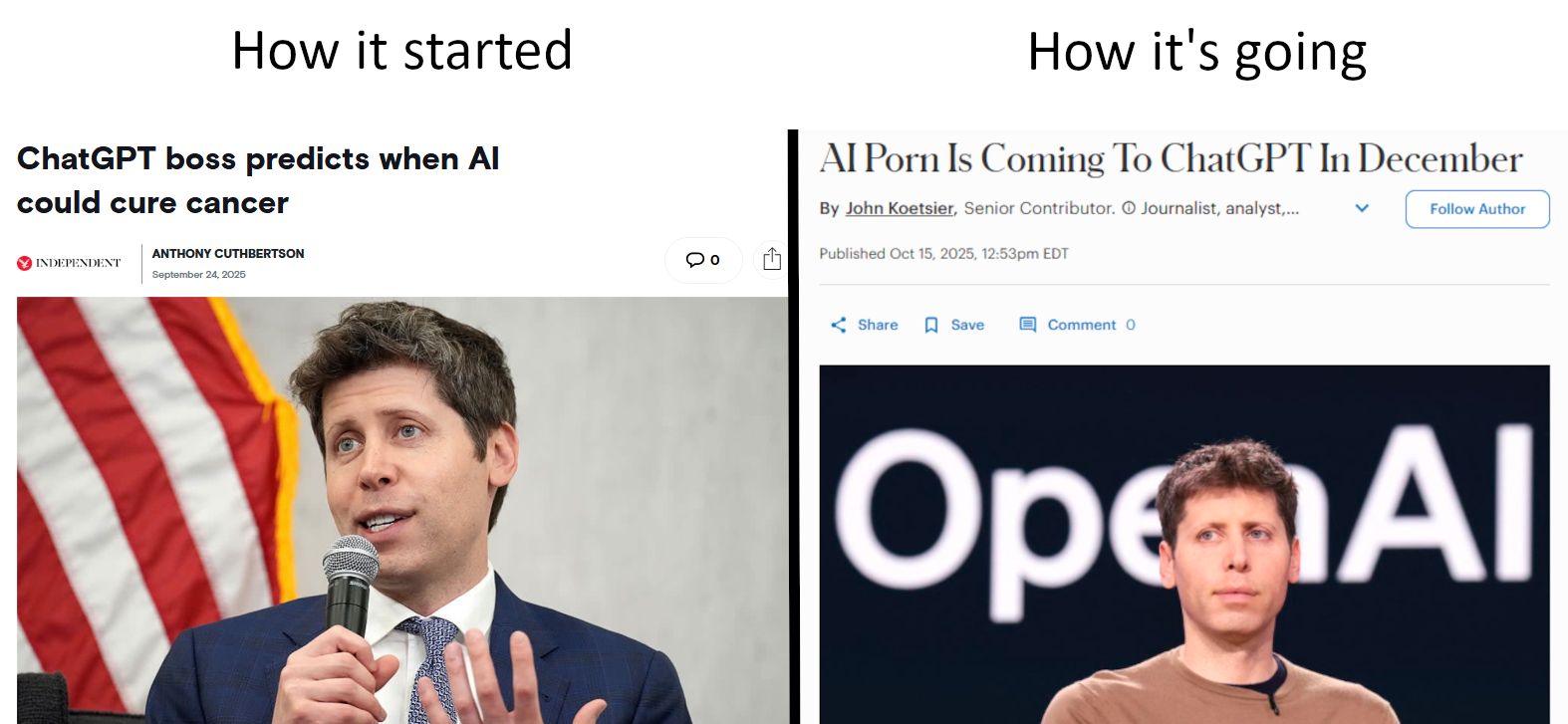
4. Reject the Hype: Not every problem requires an AI solution. Sometimes, a human with a good idea is enough. We need to resist the urge to apply technology where it isn’t needed and recognize that some of the best solutions are the simplest ones.
The AI Haters Manifesto isn’t just about AI; it’s about us. It holds up a mirror to a culture that has lost its way, where growth is worshipped at the altar of meaning, and convenience trumps craftsmanship (So much Power, so little Soul: The Hollowness of AI's Ghibli Images). As we hand over more of our cognitive tasks to AI, we risk forgetting the human hands and minds that make it all possible and the cost they bear.
The current form of AI is a monument to everything wrong with modern tech.
In this light, AI isn’t just a tool or a trend. It’s a monument to the flaws of modern tech: a symbol of our collective obsession with the new, the flashy, and the futuristic, often at the expense of what truly matters. It forces us to ask: What are we sacrificing in the name of progress?

Embrace the digital adoption platform of tomorrow - GRAVITY
The Digital Adoption Updates You Can't Miss - Subscribe Now!
Join Our Monthly Author Call – Stay Ahead of the Curve with the Latest Trends!
Conclusion: A Call to Action
So, is AI doomed? Not necessarily. But its current trajectory is unsustainable. The Rot Economy has left us exhausted, disillusioned, and longing for something real. The question is: What are we going to do about it?
The first step is to acknowledge the problem. The next is to demand better; not just from our technology, but from ourselves. Because if AI is a mirror, it’s time we started liking what we see.
Illustration: Composition by Gravity Global AG

Christoph Müller
For years I used corporate Intranets in the workplace, experiencing firsthand that traditional learning formats for IT rollouts and employee onboarding do not work. I developed GRAVITY software to tackle this challenge. Employees are happier because learning is simple and effective; businesses are happier because their IT rollouts are successful and cost a lot less than before.
Latest articles
Browse all posts