Enterprise AI Adoption Trends: Analysis of Recent Decline in Workplace Implementation
Recent data shows AI workplace adoption declining despite massive investments. Analysis of enterprise implementation challenges and strategic implications.
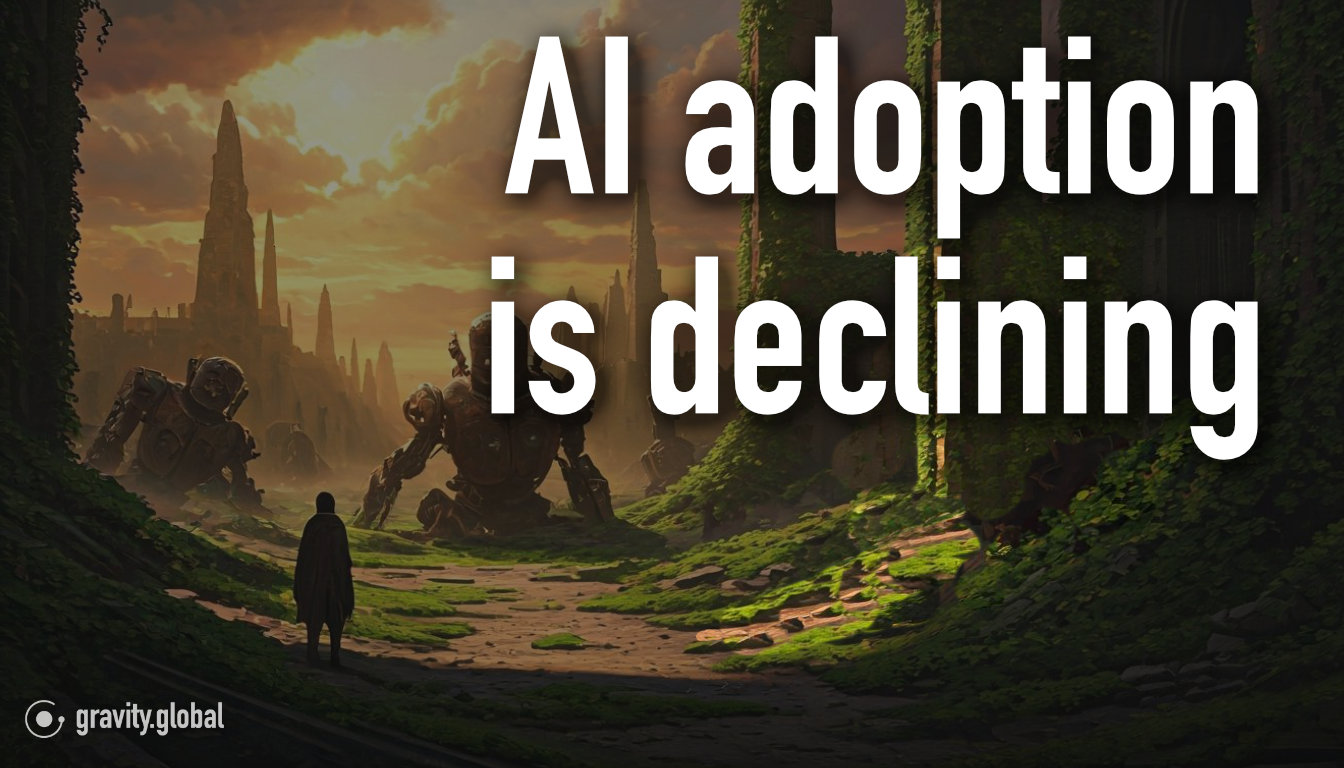
After years of breathless headlines about artificial intelligence revolutionizing the workplace, new data reveals a surprising trend: AI adoption is actually declining in American businesses. The reality is stark, virtually nobody is using Microsoft Copilot despite massive corporate investments, and Microsoft has been forced to cut its AI targets in response to lackluster enterprise uptake. For enterprise leaders who've been caught up in the AI transformation narrative, this shift demands serious attention.
The Numbers Don't Lie
According to recent US Census Bureau survey data, the percentage of Americans using AI to "produce goods and services" at large companies has dropped to just 11 percent in October – down from 12 percent just two weeks prior. While a single percentage point might seem minor, the broader trend tells a more concerning story for the $5 trillion AI infrastructure investment planned through 2030.
The decline isn't limited to large corporations. Among businesses with 100-249 employees, 81.4 percent reported not using AI within the last two weeks – a significant jump from 74.1 percent in March. Even large corporations with over 250 employees saw their "no AI use" reports climb to 68.6 percent, up from February's low of 62.4 percent.
Beyond the Hype: What's Really Happening
These findings align with other independent research tracking enterprise AI adoption. A Stanford economist monitoring generative AI usage found that while 46 percent of respondents used AI in June, this number had fallen to 37 percent by September. Similarly, the fintech firm Ramp observed AI usage plateau after an initial surge to around 40 percent earlier in the year.
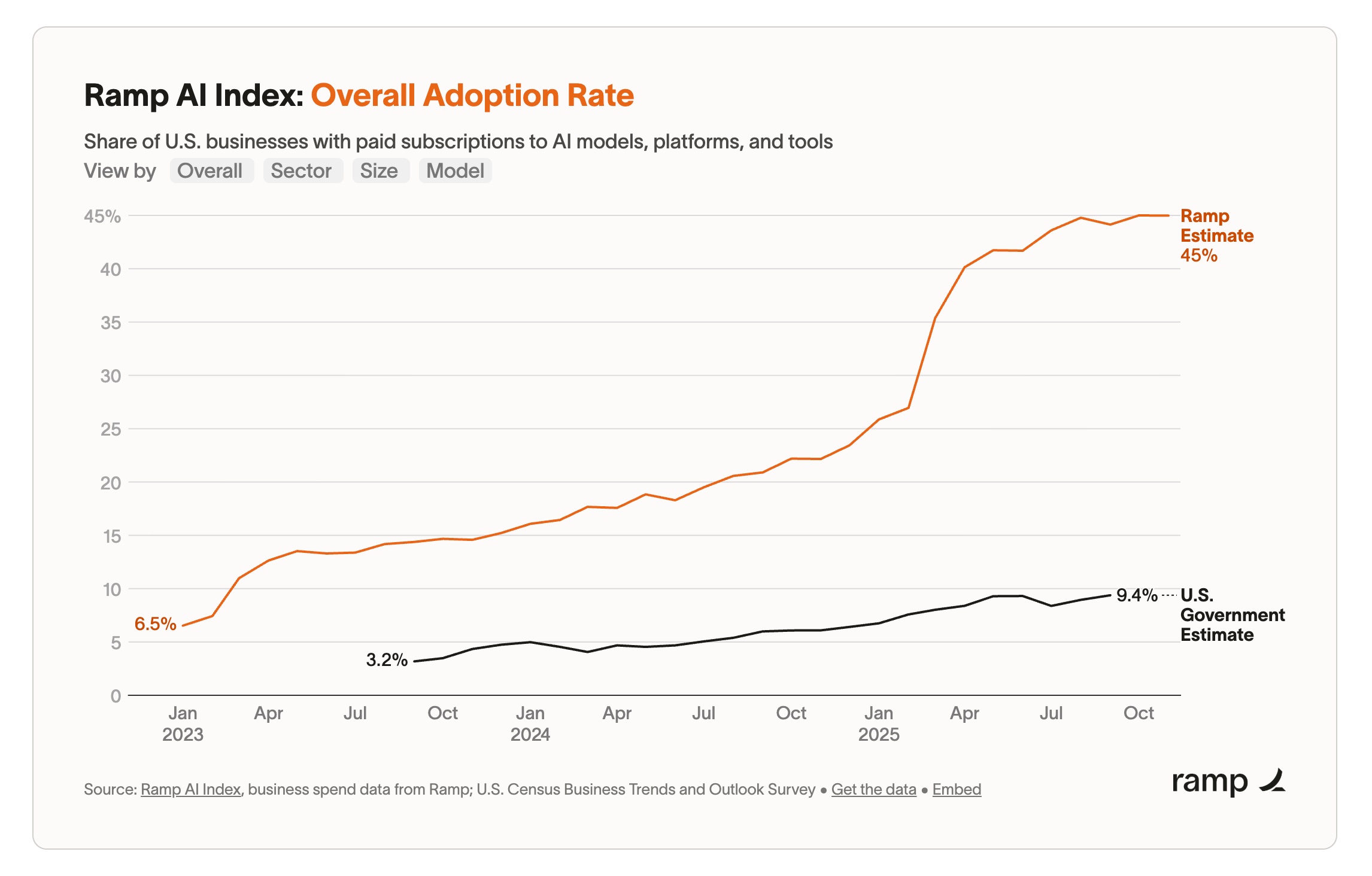
The disparity between investment in AI and its actual usage underscores a significant challenge faced by many organizations: the translation of AI capabilities into tangible, everyday business value.
The Enterprise Reality: Experimentation vs. Integration
What's particularly telling is how AI remains largely experimental in workplace settings. An EY pulse survey of 500 senior executives revealed that over half felt they were "failing in their role" of supporting AI initiatives within their companies. This points to a fundamental gap between AI potential and organizational readiness.
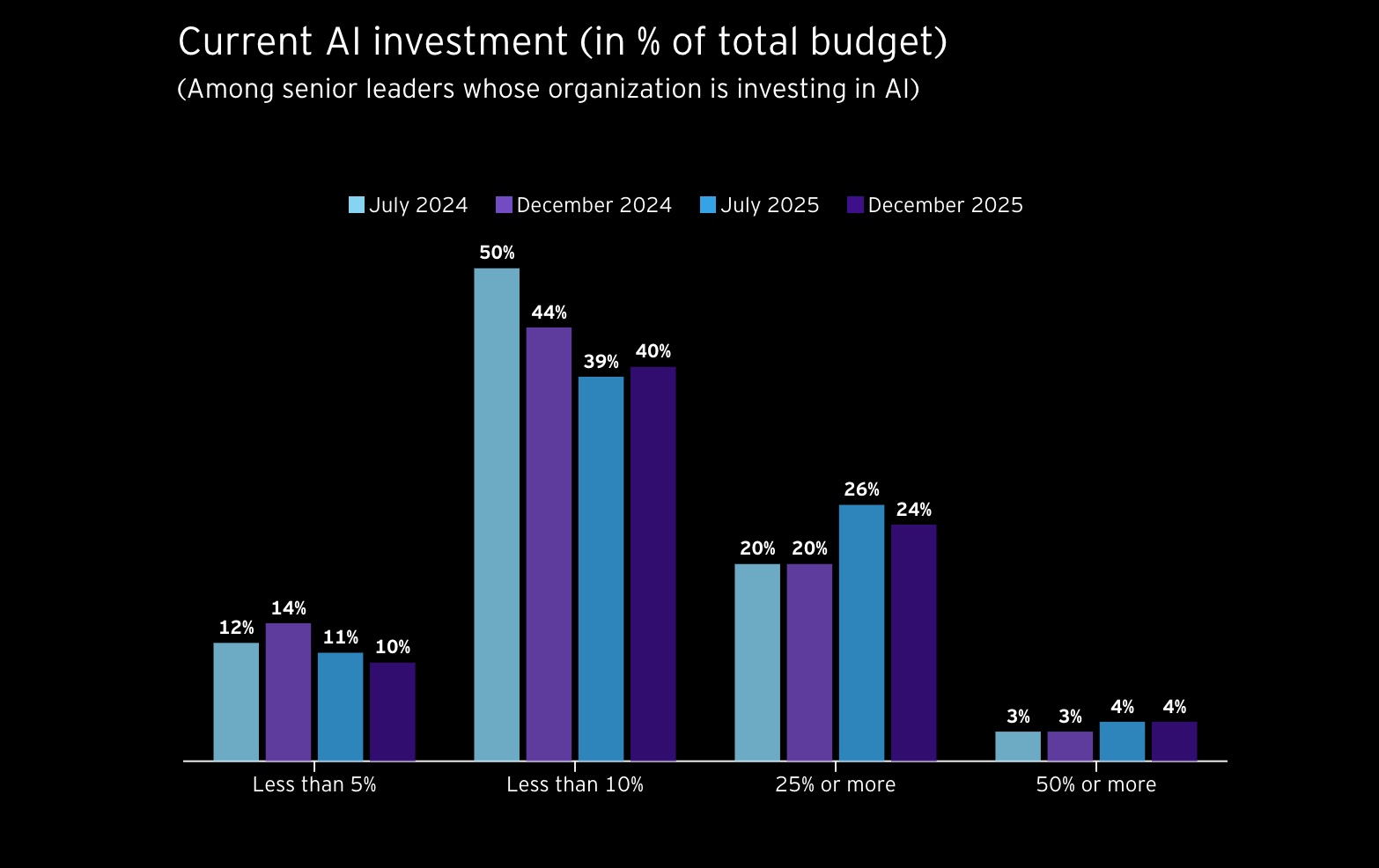
The phenomenon executives are describing as "AI fatigue" among employees suggests that early AI implementations may not have delivered the promised productivity gains. This fatigue likely stems from:
- Unclear use cases: Many organizations deployed AI tools without identifying specific problems they solve
- Integration challenges: AI solutions that don't seamlessly fit into existing workflow
- Training gaps: Insufficient support for employees to effectively use new AI tools
- Performance shortfalls: Models like OpenAI's GPT-5 or Microsoft Copilot falling short of expected performance improvements
What This Means for Digital Transformation
The current AI adoption slowdown doesn't necessarily spell doom for artificial intelligence in the workplace, but it does signal the end of the "deploy first, strategize later" approach that characterized the initial AI rush. For enterprise leaders, this data suggests several critical considerations:
1. Strategic Focus Over Tool Proliferation: Rather than implementing AI across every possible touchpoint, successful organizations are likely those that identify specific, high-value use cases where AI can deliver measurable improvements.
2. Change Management is Critical: Research on technology adoption consistently shows that successful implementation depends as much on people and processes as it does on technology capabilities.
3. ROI Measurement Must Be Built-In: With a $600 billion gap between AI spending and revenue generation, organizations need clear metrics for measuring AI's business impact from day one.

Embrace the digital adoption platform of tomorrow - GRAVITY
The Digital Adoption Updates You Can't Miss - Subscribe Now!
Join Our Monthly Author Call – Stay Ahead of the Curve with the Latest Trends!
Looking Ahead: Sustainable AI Adoption
The current pullback in AI adoption may actually represent a healthy maturation of the market. Organizations that rushed to implement AI without clear strategies are now reassessing, while those taking a more measured approach are likely to see better long-term results.
For enterprise technology leaders, the key is moving beyond the hype to focus on practical implementation strategies that deliver real value. This means:
- Starting small with pilot programs in clearly defined use cases
- Investing heavily in change management and employee training
- Establishing clear success metrics before deployment
- Building integration capabilities that make AI tools feel native to existing workflows
The AI revolution isn't over – it's just entering a more realistic, sustainable phase. Organizations that adapt to this new reality, focusing on strategic implementation over broad adoption, are likely to be the ones that ultimately realize AI's transformative potential.

Christoph Müller
For years I used corporate Intranets in the workplace, experiencing firsthand that traditional learning formats for IT rollouts and employee onboarding do not work. I developed GRAVITY software to tackle this challenge. Employees are happier because learning is simple and effective; businesses are happier because their IT rollouts are successful and cost a lot less than before.
Latest articles
Browse all posts